
Voice Command for Your Kitchen Faucet

We have the greatest minds of a generation working on all sorts of ways to make us better shoppers and consumers, while also using us as guinea pigs. Is it possible we’ve reached Innovation Overload? It’s just possible that this “innovation” marks the moment.

$875 – $1,100 for a faucet that can be (partially) controlled via voice.

Let that sink in. How many times have you stood at the kitchen sink thinking, there’s got to be a better way to make the water come out?  Come on.

Actually, how many times have you stood at the kitchen sink today, really? Voice activated lighting is more than a gimmick. Not essential, but nice to have, I guess. Voice activated TV sounds fairly useful to anyone who’s surrendered to the couch for the evening. But the faucet?

With the way that technology breaks down leaving you feeling worse than before it “changed your life for the better” this sounds like a ticking time bomb for frustration. You wifi gets spotty or your phone is in another room, and you can’t get an exact 12 ounce pour. Argh!

The voice command required is no piece of cake either. Kohler requires you to ask “Hey, Alexa, ask Kohler to turn on the faucet.” Who’s working for who here?

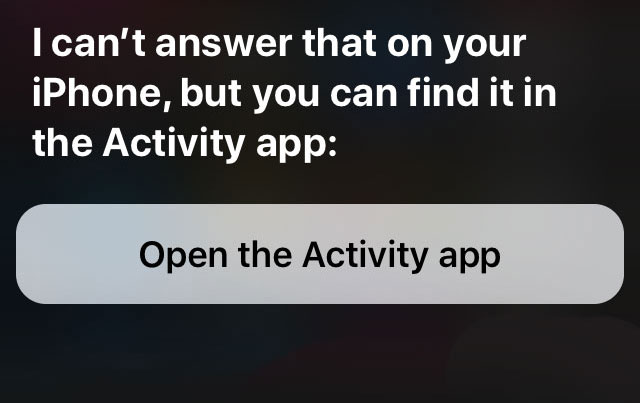
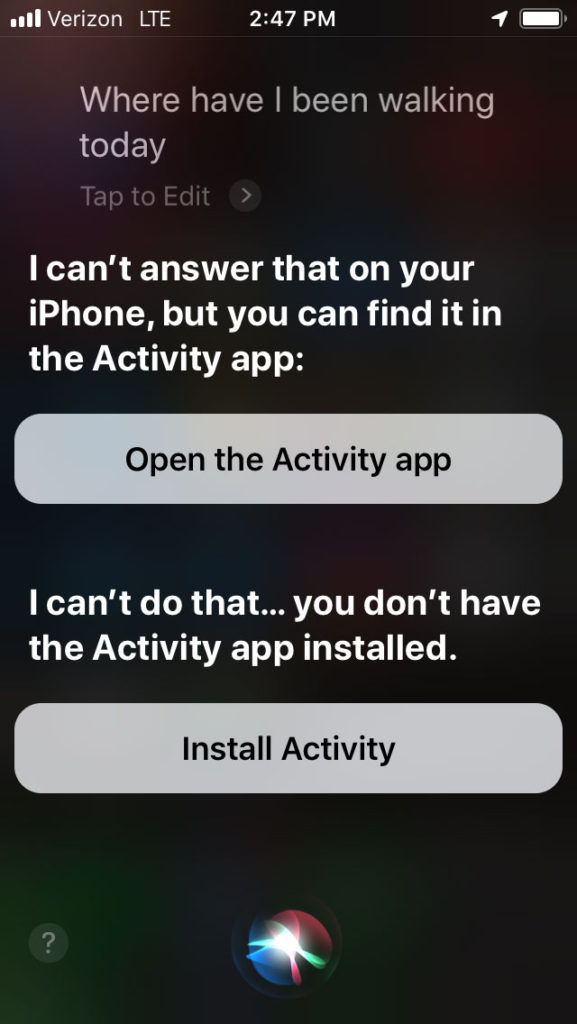
There’s also no voice activated temperature control and the interface can’t handle fractions, so only full units of measure. And if you’re using Siri, you can’t get any measurements at all!

Innovation Overload

Back to the original thought here. This product isn’t ready, and isn’t necessary. All the brain power that went into could have been used to create an alternative to all the plastic used in Kohler packaging.

If this appeals to you, as a product, have you considered adapting your toilets to auto flush, like in public restrooms. Thinks of the time you’ll save, and the smug look that appears on your face when you hear the bowl flush itself, while you’re telling the faucet to ask Alexa, to ask Kohler to dispense 12 ounces of water into your waiting hands.
Building Your Color Palette

Refactoring UI has a very thoughtful guide to keep you from Doing It Wrong when it comes to creating your color palette, adapted from their book and video series, Refactoring UI

Ever used one of those fancy color palette generators? You know, the ones where you pick a starting color, tweak some options that probably include some musical jargon like “triad” or “major fourth”, and are then bestowed the five perfect color swatches you should use to build your website?

This calculated and scientific approach to picking the perfect color scheme is extremely seductive, but not very useful.

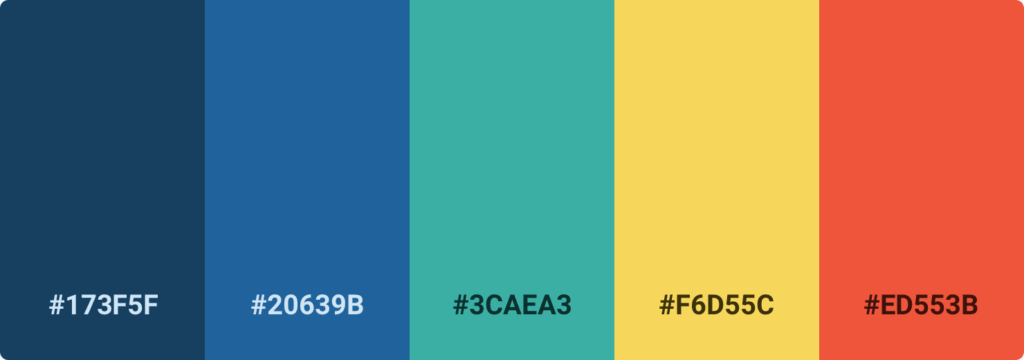
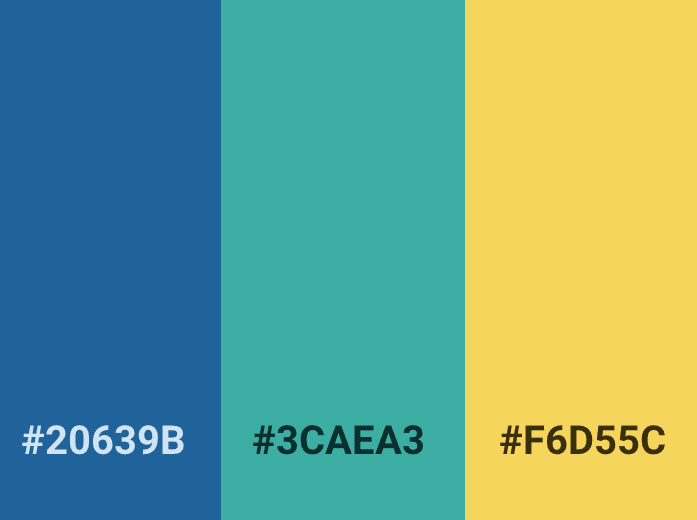
Well, unless you want your site to look like this:

Read the full article on Refactoring UI


Emojis are not a ‘universal language’…

Interesting piece on how courts are being asked to interpret stupid little drawings, I mean emoji.

I know several people who use emoji in texting because they actually relish the ambiguity.

There are many problems in the modern world, some that have always been with us. But swapping out the image of a pistol with one of a hand pointing doesn’t change the message or address the issue. It skirts the issue, and still enables anyone who wants to send a hostil message an option.

Ahhh. Don’t get me started on emoji. OK, go ahead, get me started. Again.

https://www.cnn.com/2019/07/08/tech/emoji-law/

3 dialogs that have been harassing me daily for months now

I get it. Upgrades are good. Upgrades are necessary. But I’m an adult. Can’t I choose the time and place to upgrade? Could I get a more friendly option of “remind me in two weeks?”


While we’re on the subject of annoying interactions with software…

How is it the Facebook can feed me ads for Monty Python t shirts every 20 posts, and not have the intelligence to know that they are repetitive without my input? Why is it that the resulting dialog box has a close “x” in the upper right AND a “Done” button at the bottom?

Fed up with Lorem Ipsum?

A story today in Co.Design, a sub set of Fast Company, had us scratching our collective heads. Boom has created a text generator that replaces lorem ipsum with topical text. If you’re creating a restaurant page you can fill it with text about food. Sounds nifty.

There’s a rash of other generators out ther that have trickled across our transom of late, like Bacon Ipsum, Cat Ipsum, Bob Ross Ipsum etc. But using one that generates text that is related to the subject at hand seems to miss the fundamental points of using “greek” text (latin, actually) in the first place.

“Everything is happy if you choose to make it that way. Now let’s put some happy little clouds in here. You are only limited by your imagination.” – sample from Bob Ross Ipsum

When proofing designs, viewers are easily distracted by reading “real” text. It robs their attention away from the task at hand, which is reviewing the design. Have you ever had a client pause to ask “it’s not going to say that on the final ad, is it?” This shows how important it is to not have readable text in mock ups.

Another key feature of using lorem ipsum is exactly that. It ensures that no text from the mockup stage makes it through production untouched. If someone is proofing a document along any stage of the design and edit process, and they come across a paragraph about food, it makes it much more difficult to tell if it is approved copy or placeholder text.

Ultimately it is a waste of time and resources.  Couldn’t you be working on improving the design and layout instead of fretting over a non-issue design problem that was solved centuries ago. Go disrupt something else.

Read the original story at fastcodesign.com:

https://www.fastcodesign.com/90177380/finally-a-smarter-alternative-to-lorem-ipsum

One-Name Email and Tech Nerds Fail Themsleves Again

Recently in the Wall Street Journal, they highlighted the phenomenom of one-name email and the bragging rights associated with them.  How can it be that the brightest technical minds of a generation gets stymied by something so simple and so trivial?

Email has been around office life for a few decades by now, and for millenials, they’ve always been part of life. So small companies and startups have opted to use the casual first-name as a convention for email, blissfully unaware that this would be an issue down the line?

Perhaps they weren’t planning on the company’s success. Perhaps they’ve never been in a room with more than one person named Dave. It sounds implausible.

Then again, I can’t imagine hiring anyone with the same name as someone else at the company when the name in question is more than a little uncommon. I know a small company of about 9 employees and two of them are share the first name of Austin. Why would you do that to yourselves?

More specifically, wrap your head around this one…. Katie Janesen, Marketing Officer at AppLovin hired her own intern, who just happened to be Katy Jensen. How did someone with such a similar name even make it past the interview screen?

These don’t seems like terribly difficult problems to sort out, but maybe using all one’s brain power to create new ways of making shopping easier leaves little overhead left to sort out common sense issues such as these.

You can read the WSJ piece here…

https://www.wsj.com/articles/cher-elvis-bono-one-name-is-silicon-valleys-status-symbol-1528475180

What Good Are Instructions if Nobody Remembers to Follow Them?

Photos from the recent Southwest engine failure event show passengers wearing their oxygen masks incorrectly.

I guess half-way is worth at least some points. I’m just not sure that the standard three-panel infographic could be made any clearer. Maybe if flight attendants wore them all the time, it would be more obvious.

Marty Martinez, via Associated Press